
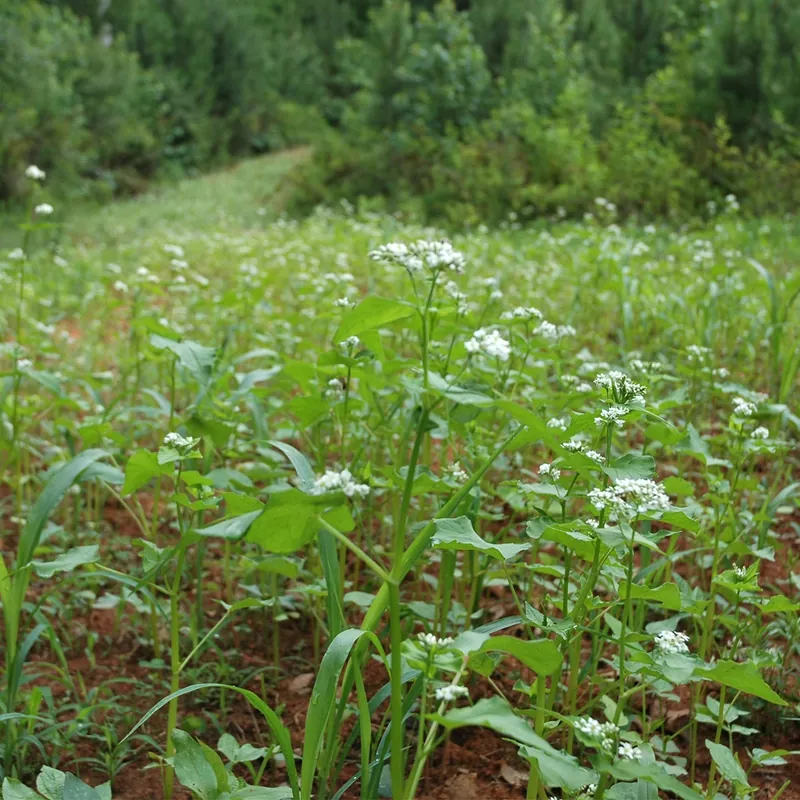
A buckwheat pillow usually contains two parts: a washable or spot-cleanable fabric shell and loose buckwheat hull fill. The dark, papery hulls should stay dry. Putting the filled pillow in a washer can soak the hulls, damage their structure, create clumps, and trap moisture deep inside the pillow.
The safe method is simple: remove the fill, clean only the appropriate fabric pieces, and refill after every seam is dry. Plan the transfer before opening the liner. A standard pillow can hold several pounds of light, mobile hulls, and an improvised grocery bag is much harder to control than a wide clean tote with a lid.
Step 1: Empty the pillow completely
Choose a dry room without a strong draft. Set a wide clean tote, large bowl, or intact storage bag below the pillow opening. Unzip the outer cover and inner liner slowly, then use a scoop or funnel if pouring directly would scatter hulls.
Move every loose hull you can reach. Check corners, zipper tape, and seam allowances. Close the temporary container as soon as the liner is empty so moisture, pets, and household debris cannot reach the fill.
Step 2: Clean the empty cover and liner correctly
Read the maker's care label first. Covers vary: some cotton shells tolerate a cold machine wash, while dyed, quilted, wool, or structured covers may require spot cleaning or hand washing. Do not assume the liner follows the same instructions as the removable outer case.
Close zippers before machine washing so teeth and sliders are protected. Use a gentle detergent appropriate for the fabric and avoid adding fragrance or treatment products that the cover maker does not recommend.
Step 3: Keep the stored hulls dry and inspect them
While the cover is being cleaned, keep the hull container closed in a dry place. If you open it to inspect the fill, look for intact papery pieces, a neutral dry agricultural odor, and no clumps or visible moisture.
Dry ventilation can air out normal stored-material odor, but sunlight is not a substitute for cleaning and does not make agricultural fill sterile. Do not mist, rinse, steam, or deodorize the hulls with liquid.
Step 4: Refill only when every fabric layer is fully dry
Air-dry or machine-dry the cover exactly as its care label allows. Feel the zipper tape, seams, and thick folded edges—not only the broad fabric panel. A cover that feels dry on the surface can still hold moisture in those areas.
Refill over a clean tote or drop cloth. Add most of the saved hulls, close the zipper, and test the pillow. Remove a cup at a time for a lower, softer feel or add fresh dry hulls for more loft. Close the liner securely before replacing the outer case.
Spot cleaning versus a full wash
A small surface mark does not always justify emptying the entire pillow. If the cover maker allows spot cleaning, use the least moisture needed and prevent liquid from reaching the liner. Blot rather than saturate, and let the area dry completely before use. A removable outer case makes this easier because it can be cleaned without disturbing the inner hull liner.
Empty the pillow for a full wash when odor, body oil, or a larger spill has reached a washable shell. If liquid reached the hull compartment, inspect the fill instead of assuming the cover protected it. Separate dry hulls from any damp section so one wet patch is not mixed through the whole container.
What to do with damp or soaked hulls
Humidity and soaking are different problems. Hulls that have only been exposed briefly to humid air may return to a normal dry condition in a clean, well-ventilated room. Spread a small quantity thinly only if there is no musty odor, clumping, visible growth, or contamination, and do not put them back into fabric until completely dry.
If the fill was soaked, sat wet, smells musty, or has visible contamination, replace it. A warm surface does not prove the center of a pile is dry. Baking, microwaving, or putting hulls in a clothes dryer introduces fire, scorching, dust, and equipment risks and is not a Prairie Fill care method.
Signs the fill may need refreshing or replacement
Normal use gradually polishes and compresses hulls. You may first notice the pillow sitting lower or needing more frequent reshaping. If the fill remains dry and clean, adding a small amount of fresh hulls can restore loft without replacing everything.
Consider full replacement when much of the fill has become flattened or powdery, an unwanted odor persists after the cover is clean, moisture reached the hulls, or debris entered during transfer. Minor color variation and a small amount of natural dust are normal in agricultural material; a dramatic change in condition is not.
Make the next cleaning easier
- Use a durable zippered inner liner plus a removable outer case.
- Keep the pillow away from wet hair, floor moisture, and open drinks.
- Store spare fill closed in its resealable bag in a dry indoor place.
- Record how many pounds feel right before emptying a successful pillow.
- Place the liner inside a clean tote whenever opening its zipper.